
There is something undeniably peaceful about remote work. You wake up without a commute. You make your own coffee. You open your laptop in comfortable clothes and tell yourself this is freedom. And in many ways, it is especially at the beginning.
However, after a few months, something subtle begins to shift. The change is gradual rather than dramatic. You notice it on slow afternoons when time seems to crawl and even small tasks feel heavier than they should.
Some days still feel productive and flexible. Yet on other days, distractions quietly multiply. The chair that once felt perfect now feels uninspiring. The silence that once felt calming starts to feel isolating. Over time, motivation can decline without any clear explanation.
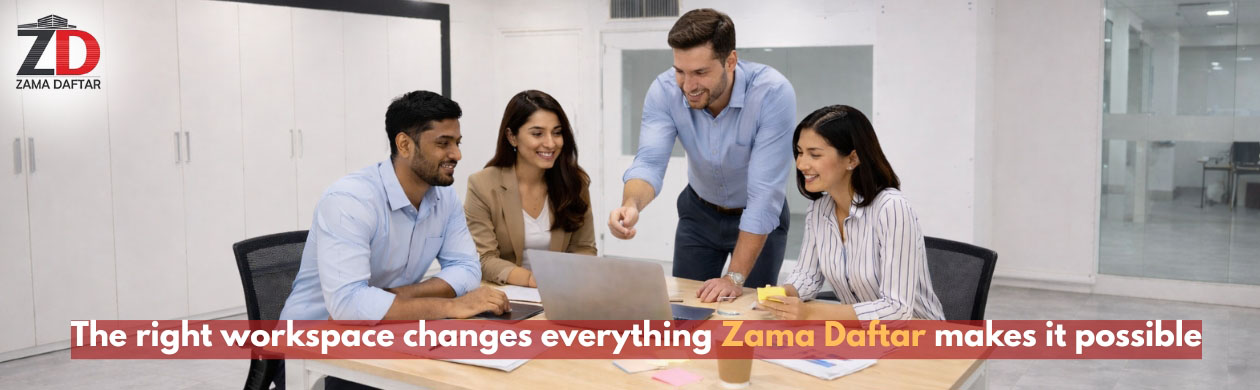
This is precisely why coworking spaces matter for remote workers today. Although remote work offers flexibility, it also demands structure and human connection. A shared workspace restores that balance. It provides a setting where focus sharpens again and professional energy feels renewed.
Companies like Zama Daftar understand this transition well. Rather than simply offering desks, they create environments where professionals can think clearly, meet clients confidently, and feel connected to a larger ecosystem. In that sense, a workspace is not a luxury. It is a tool for performance.
Let us explore why this shift is happening.
The Rise of Remote Work
Remote work is no longer experimental. Instead, it has become a standard model across industries.
Startups now operate fully online. Large organizations adopt hybrid schedules. Meanwhile, freelancers build global careers from their homes. Geography feels less restrictive than ever before.
Still, there is an important truth we rarely discuss: independence requires discipline. And discipline thrives in the right environment.
Think about your most productive days. Where were you sitting? Were you at a desk designed for focus, or halfway into a sofa cushion? Although it may seem minor, environment shapes behavior more than we realize.
Cost Comparison
| Workspace Type | Monthly Cost Range | Flexibility | Professional Setting |
|---|---|---|---|
| Home Office | Low | High | Limited |
| Traditional Office | High | Low | High |
| Coworking Space | Moderate | High | High |
While a home office appears inexpensive, hidden costs such as utilities, internet upgrades, and lost productivity accumulate over time. Conversely, traditional offices require long commitments. Coworking spaces, therefore, sit comfortably in between offering both flexibility and professionalism.
What Is a Coworking Space, Really?
Technically, a coworking space is a shared office. Yet that definition misses the deeper value. In reality, it is a professional environment where independent workers share infrastructure and energy.
Typically, coworking spaces include:
- High-speed internet
- Meeting rooms
- Quiet focus areas
- Open collaboration zones
Some professionals visit daily, while others drop in occasionally. Nevertheless, the true strength of coworking lies in its balance. You are not restricted by rigid corporate structures. At the same time, you are not isolated. It exists between freedom and framework and that balance is powerful.
Productivity Comparison
| Environment | Distraction Level | Networking Access | Focus Consistency |
|---|---|---|---|
| Home | High | Low | Variable |
| Café | Medium | Low | Low |
| Coworking Space | Low | High | Strong |
Clearly, coworking environments reduce distractions while increasing access to professional interaction. As a result, focus becomes more consistent.

Why Home Stops Working Over Time
Distraction Fatigue
At home, everything competes for attention laundry, deliveries, family members, even your own wandering thoughts. Although each interruption feels small, their cumulative effect is significant. Gradually, productivity declines.
Blurred Boundaries
When your dining table doubles as your desk, work begins to bleed into personal time. You answer emails at 10 PM simply because your laptop is nearby. In contrast, coworking spaces restore separation. When you leave the workspace, you mentally leave work as well.
The Psychological Power of Place
Research consistently shows that physical context influences mental state. For example, when you enter a library, you instinctively lower your voice. When you step into a gym, your body prepares for movement. Similarly, walking into a dedicated workspace signals focus.
Inside a coworking space, the atmosphere carries a quiet expectation of productivity. Without anyone enforcing rules, you feel motivated to concentrate. That subtle social energy encourages consistency.
A Real-World Turning Point
Consider the experience of a remote digital marketer who worked from home for three years. Initially, she appreciated the freedom. Over time, however, deadlines slipped and client calls felt awkward due to background interruptions.
Eventually, she decided to try a coworking space for one month. Almost immediately, her routine shifted. She dressed with intention. She scheduled meetings in proper conference rooms. Furthermore, she met a web developer who later became a business partner.
Her income did not double overnight. Nevertheless, her consistency improved. And consistency compounds. Environment matters more than we admit.
Types of Coworking Spaces
Hot Desks
Flexible seating arrangements where you choose any available spot. Ideal for freelancers who appreciate variety.
Dedicated Desks
A reserved desk within a shared area. This option offers stability without isolation.
Private Offices
Enclosed spaces for teams or professionals requiring confidentiality.
Each format supports a different work rhythm. Therefore, selecting the right option depends on your needs.
Feature Comparison
| Feature | Coworking Space | Traditional Lease Office |
|---|---|---|
| Flexible Terms | Yes | Rare |
| Meeting Rooms | Yes | Yes |
| Community Events | Often | Rare |
How to Choose the Right Coworking Space
First, consider location. A long commute defeats the purpose of flexibility.
Second, test internet reliability whenever possible.
Third, observe the atmosphere. Is it excessively loud? Too silent? Does it feel welcoming?
Although these details seem minor, comfort strongly influences performance.
The Future of Coworking
Remote work is not disappearing. Instead, hybrid models continue expanding. Professionals increasingly want autonomy without isolation. Consequently, coworking spaces are evolving to meet that demand through flexible memberships, improved meeting technology, and thoughtful design.
It appears we are moving toward a future where office space becomes optional, yet community remains essential.
Final Thoughts
Work is more than tasks and deadlines. It is energy, momentum, and identity. Where you work shapes how you work.
The right environment can sharpen thinking. It can stabilize routine. It can even expand opportunity. Organizations such as Zama Daftar recognize this connection deeply. Rather than selling furniture, they build intentional spaces where remote professionals operate at their best.
If you feel distracted, isolated, or slightly out of rhythm in your remote routine, the issue may not be discipline. Instead, it may be environment. Sometimes, a simple shift in workspace creates a significant shift in results.